

i
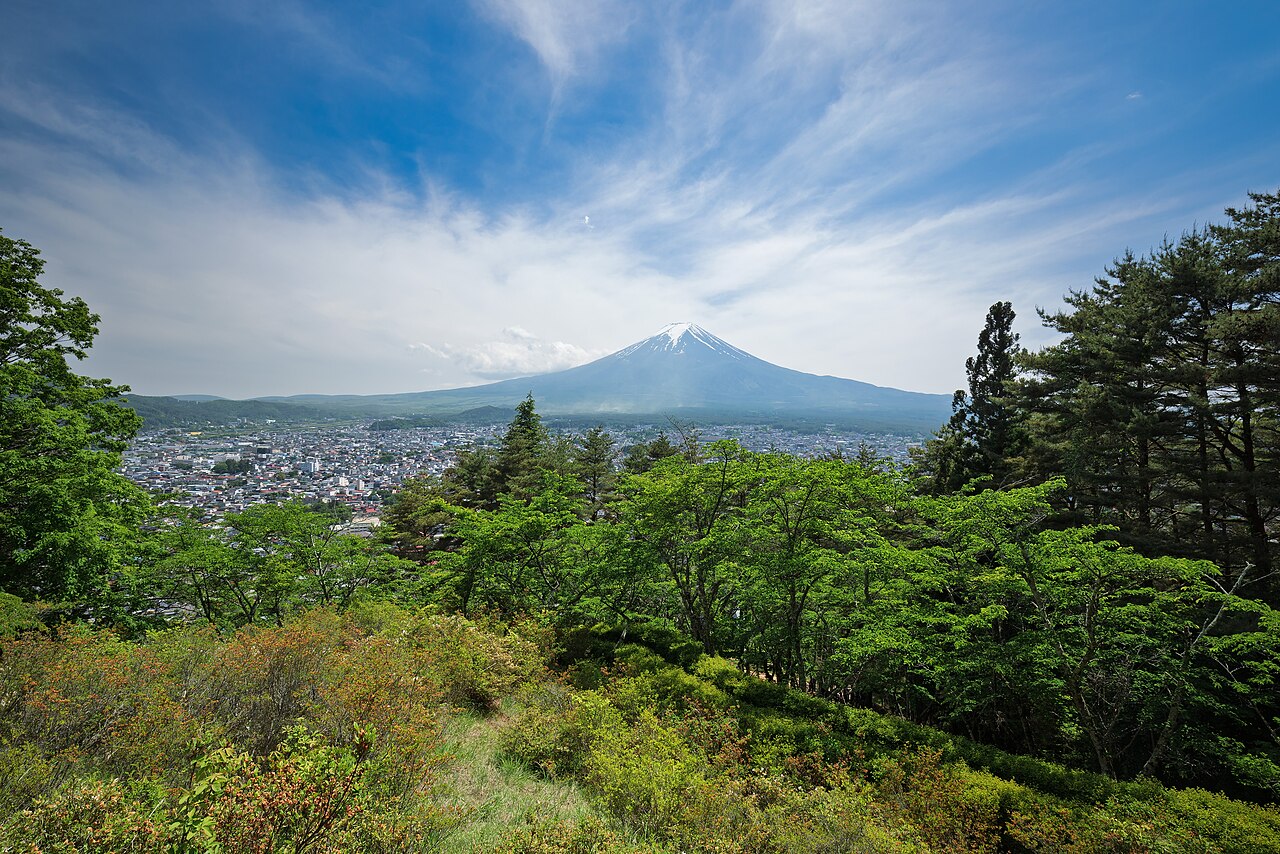
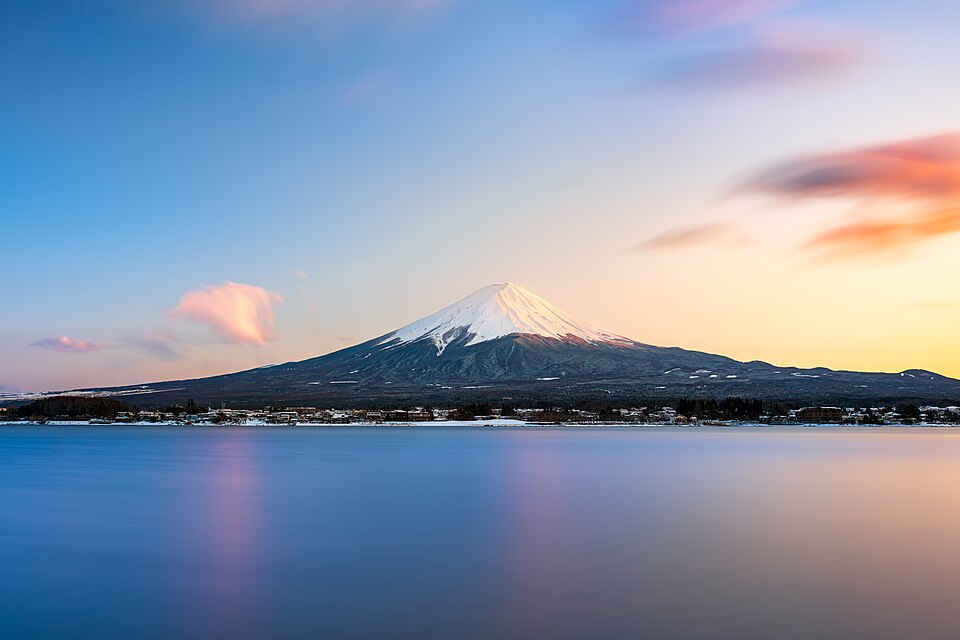
Photo by Ximonic (Simo Räsänen), CC BY-SA 4.0, via Wikimedia Commons.
Best time to visit Mount Fuji
Japan · East Asia
All twelve months scored on daily temperature, rainfall, humidity and holiday crowding.
The year in Mount Fuji
Tap a month for its page
- JanJMount Fuji in January: avoid
- FebFMount Fuji in February: ok
- MarMMount Fuji in March: ok
- AprAMount Fuji in April: sweet spot
- MayMMount Fuji in May: ok, busy
- JunJMount Fuji in June: avoid
- JulJMount Fuji in July: avoid
- AugAMount Fuji in August: ok, busy
- SepSMount Fuji in September: avoid
- OctOMount Fuji in October: ok
- NovNMount Fuji in November: ok, busy
- DecDMount Fuji in December: ok
- Sweet spot
- Good
- OK
- Avoid
- Busy
Plan this trip
Each site opens on its own search: choose your dates there. A few open on their home page, where you type the place too.
Links marked Ad pay us a commission if you book, at no extra cost to you; most pay nothing, and what a site pays never decides whether it is listed or where. How we rank
Flights from
Flights
Your city is a guess from your time zone. Choose your city
Where are you flying from? Choose your city for its flights and fares.
Book with the airline
Where to stay
Book direct
Luxury
Things to do
Car hire
Rent direct
Travel insurance
Check whether your bank card or home insurance already covers this trip.
If the trip needs a visa, the travel agent or visa centre usually sells the cover it asks for.
Mobile data (eSIM)
Your own plan's EU roaming may already cover this.
Renting a pocket Wi-Fi is the other common way to stay connected.
These are sites people in book with. Each opens in a new tab, on the site's own pages.
Things to do in Mount Fuji
- Fuji-Q Highland Amusement park
- Mount Kita Mountain in Yamanashi Prefecture, Japan
- Takabisha Roller coaster
- Mount Hakone Volcano in Honshu, Japan
- World’s Smallest Park Park in Nagaizumi, Japan
- Fuji Five Lakes Group of lakes
- Arakurayama Sengen Park Park in Fujiyoshida, Japan
Tours and tickets in Mount Fuji
Each site opens on its own search: choose your dates there. A few open on their home page, where you type the place too. Links marked Ad pay us a commission if you book, at no extra cost to you; most pay nothing, and what a site pays never decides whether it is listed or where. How we rank
Sights and their lines from Wikivoyage, licensed CC BY-SA 4.0, and Wikidata; in order of how often each one's Wikipedia article was read on phones in the last 12 months.
Month by month
No fare history for this route yet, so this ranking is climate and crowds only — the price column will fill in as the scanner collects.
| Month | Max °C | Rain days | Humidity | Sun h/day | Verdict | Why |
|---|---|---|---|---|---|---|
| Jan | 5° | 5d | 68% | 8.3h | avoid | bitter cold: 5C daily max |
| Feb | 6° | 7d | 69% | 8.4h | ok | 6C max, 7 rainy days |
| Mar | 11° | 12d | 72% | 8.4h | ok | 11C max, 12 rainy days |
| Apr | 16° | 11d | 72% | 9.1h | sweet spot | 16C max, 11 rainy days |
| May | 20° | 14d | 75% | 9.2h | okbusy | busier than usual |
| Jun | 22° | 16d | 82% | 8.7h | avoid | monsoon: 16 rainy days, 296mm |
| Jul | 27° | 15d | 85% | 9.4h | avoid | monsoon: 15 rainy days, 308mm |
| Aug | 27° | 14d | 85% | 10.5h | okbusy | busier than usual |
| Sep | 24° | 16d | 87% | 8.2h | avoid | monsoon: 16 rainy days, 276mm |
| Oct | 18° | 14d | 83% | 7.3h | ok | 18C max, 14 rainy days |
| Nov | 14° | 6d | 77% | 8.1h | okbusy | busier than usual |
| Dec | 8° | 5d | 74% | 8.0h | ok | 8C max, 5 rainy days |
Rain days are the days with at least 1 mm of rain, as a weather station counts them.
Weather read at Kawaguchiko, Fuji Five Lakes: ten years of ERA5 and ERA5-Land reanalysis, through Open-Meteo's open data.
A busy month is a crowded one, not a bad one — usually it is crowded because the weather is good. It is flagged rather than scored down, and crowds alone never make a month “avoid”: that is reserved for weather worth skipping.
How busy it gets
Then and now
Mount Fuji's March days now average 10.7°C, 3.5°C warmer than in 1981–1990. 11 of 12 months are clearly warmer.
| Jan | Feb | Mar | Apr | May | Jun | Jul | Aug | Sep | Oct | Nov | Dec | |
|---|---|---|---|---|---|---|---|---|---|---|---|---|
| 1981–90 | 2.9° | 3.0° | 7.1° | 13.8° | 18.4° | 21.1° | 24.6° | 26.1° | 22.2° | 16.5° | 11.7° | 6.7° |
| 2017–26 | 4.7° | 6.1° | 10.7° | 15.5° | 19.8° | 22.4° | 26.6° | 27.4° | 23.7° | 17.8° | 13.6° | 7.6° |
| Change | +1.8° | +3.1° | +3.5° | +1.7° | +1.4° | +1.3° | +2.0° | +1.4° | +1.4° | +1.3° | +1.9° | +1.0° |
The average daily high, month by month, for the nearest ERA5 grid cell. Bold is a clear change; grey is within the ordinary spread between years. Every destination, ranked.
Getting there
Fly into TYO, then drive. The flights under Where to book are to TYO.
The drive from each airport is the road's, from openrouteservice.org by HeiGIT: typical, not a schedule.
How far Mount Fuji is, and what it costs, depends on where you set off from — the months above do not.
- from Seoul
- from Taipei
- from Hong Kong
- from Manila
- from Ho Chi Minh City
- from Bangkok
- from Kolkata
- from Kuala Lumpur
Open in Rome2rio for every way from to Mount Fuji, flying or not.
Before you go
Type A and B plugs at 100 V. Drives on the left. The currency is the Yen. No UK Foreign Office advice against travel. Global Affairs Canada: Exercise normal security precautions. US State Department: Level 1: Exercise Normal Precautions. Everything for Japan: cost of living, languages, emergency numbers and health.
Being there
On arrival
- Paying — Cards are widely taken in cities, but carry cash for small restaurants, inns and rural areas. Suica and PASMO also pay in many shops, and PayPay QR codes are common.
- UPI, for visitors from India — Not accepted for paying here; bring a card that works abroad.
- Tipping — Not done in restaurants or taxis; some hotels and restaurants add a 10% service charge.
Getting around Mount Fuji
- Apps — Rides: GO, DiDi, S.RIDE, Uber. Maps: Google Maps, Apple Maps. Messages: LINE. Ride apps here hail ordinary licensed taxis; private-car rideshare is limited to small trials.
Once on the mountain the only way of getting around is on foot. The sole exception is horseback riding, available on the Fujiguchiko trail between the 5th and 7th stations only for the steep price of ¥14,000. More on Wikivoyage
From the Wikivoyage article on Mount Fuji, written by travellers and licensed CC BY-SA 4.0.
Help
- Emergency — police 110 · ambulance and fire 119.
TravelCharika is not an emergency service: we cannot call for help or send anyone. Numbers can change; if one fails, ask someone local or your hotel.
Your embassy — : how to reach your embassy or consulate abroad. A guess from your city, : a city is not a passport.
Put together by hand from the sources listed, checked 7 October 2026. Apps, cards and rules change, so check before you rely on one.
Sources (21)
- gov.uk/foreign-travel-advice/japan/getting-help
- japan.travel/en/plan/getting-around/taxis
- japan.travel/en/plan/cashless-payments-in-japan
- japan.travel/en/plan/credit-cards
- japan.travel/en/plan/tipping-in-japan
- japan.travel/en/guide/how-to-travel-by-train-and-bus-in-japan
- japan-guide.com/e/e2359_credit_card_tap.html
- visa.co.jp/pay-with-visa/featured-technologies/contactless/merchants-transit.html
- apps.apple.com/us/app/go-taxi-app-for-japan-visit/id1254341709
- uber.com/global/en/cities/tokyo
- developers.google.com/maps/coverage
- apple.com/ios/feature-availability
- en.wikivoyage.org/wiki/Japan
- www2.city.kyoto.lg.jp/kotsu/webguide/en/bus/howtoride_bus.html
- www2.city.kyoto.lg.jp/kotsu/webguide/en/ticket/ic_card.html
- www2.city.kyoto.lg.jp/kotsu/webguide/en/ticket/regular_1day_card_comm.html
- city.kyoto.lg.jp/kotsu/page/0000240757.html
- city.kyoto.lg.jp/kotsu/page/0000334479.html
- westjr.co.jp/travel-information/en/tickets-passes/oneway/haruka
- pib.gov.in/PressReleasePage.aspx?PRID=2286608
- nipl.com/uploads/NPCI_International_signs_Mo_U_with_NTT_DATA_Japan_to_enable_UPI_acceptance_at_merchant_locations_in_Japan_14_Oct_002_a292d8d769.pdf
Mount Fuji in pictures
i
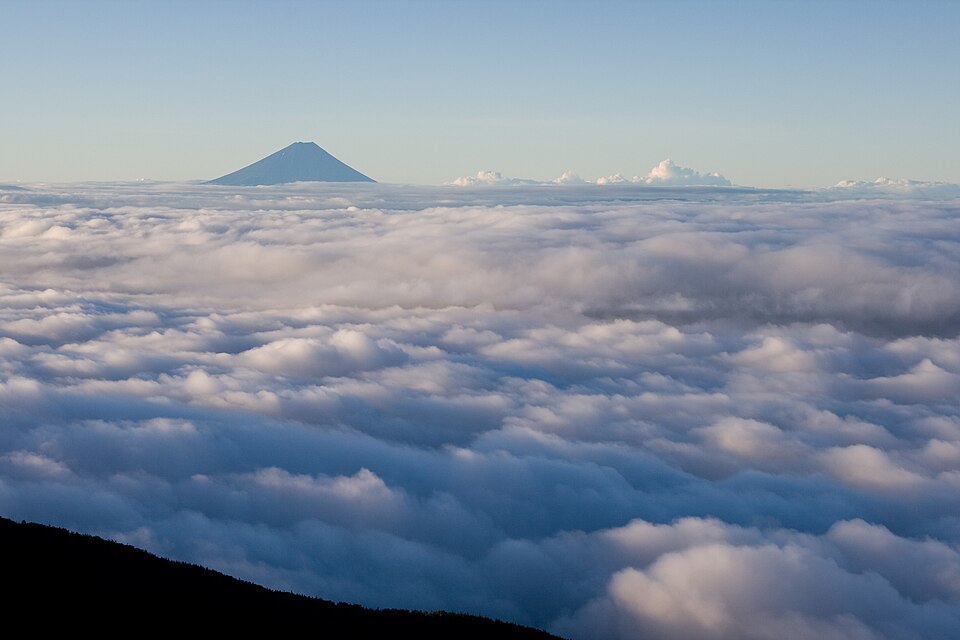
Jordy Meow, CC BY 3.0, via Wikimedia Commons
i
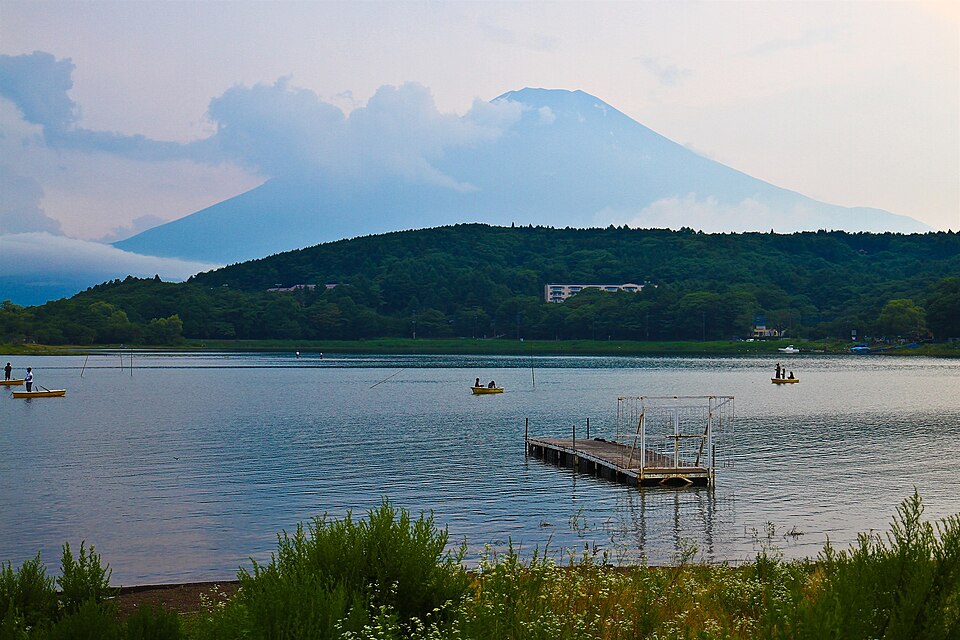
MaedaAkihiko, CC BY-SA 4.0, via Wikimedia Commons
i
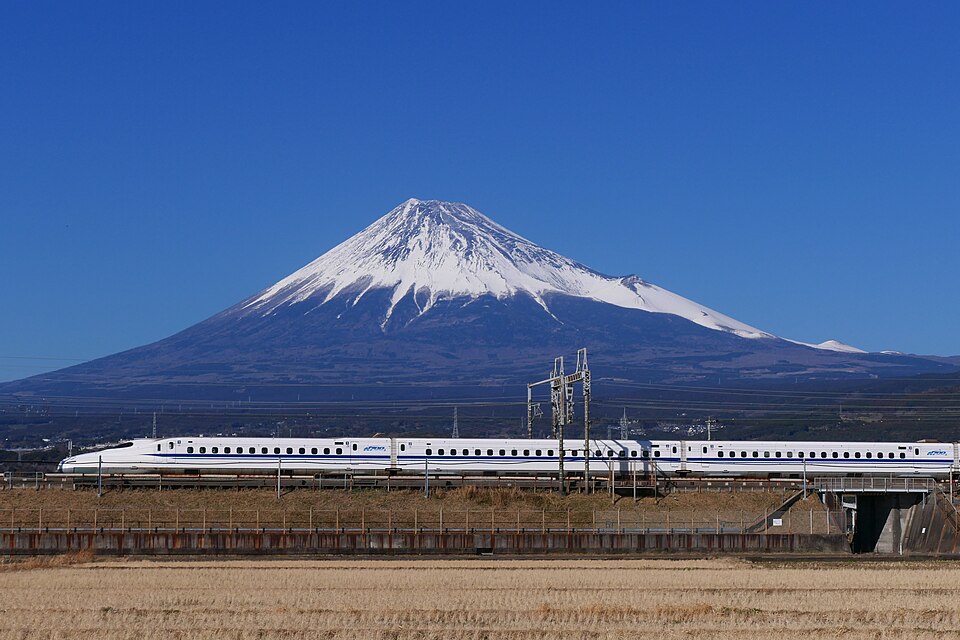
Romain Guy from San Francisco, USA, CC0, via Wikimedia Commons
i
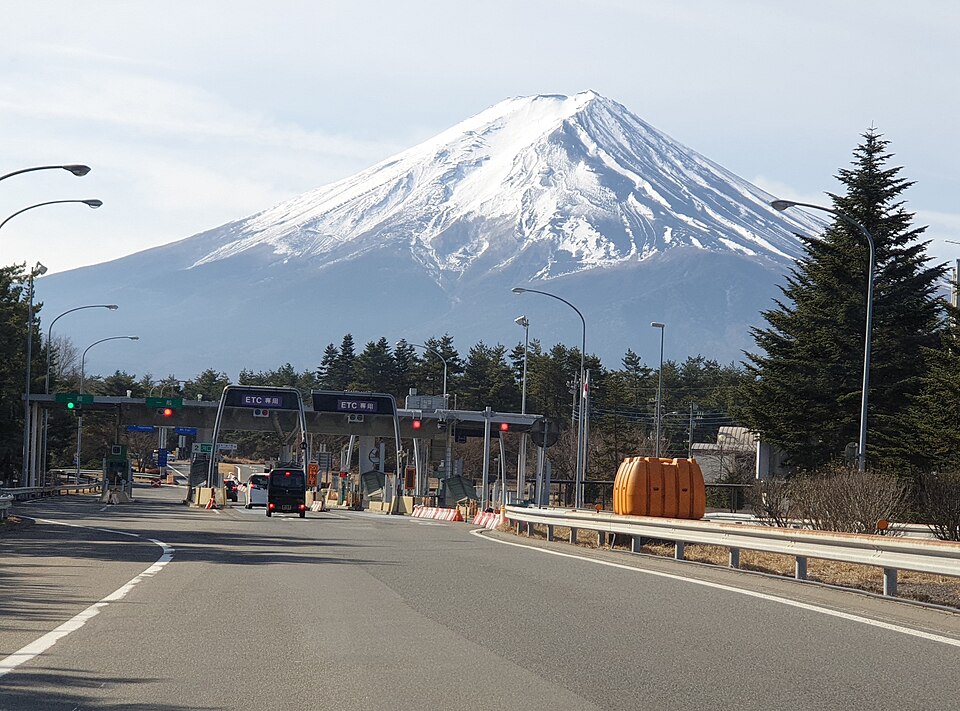
TarnishedPath, CC BY-SA 4.0, via Wikimedia Commons
What Mount Fuji is like
Mount Fuji (富士山 Fuji-san, 3776 m) is Japan's highest mountain and the focal point of the sprawling Fuji-Hakone-Izu National Park. Visible from Tokyo on a clear day, the mountain is to the west of Tokyo on the main island Honshu, straddling the border between Shizuoka and Yamanashi prefectures. More on Wikivoyage
- Worth seeing
- For merely seeing Mt. Fuji, it's better to maintain some distance. More on Wikivoyage
- Worth doing
- The thing to do on Mt. Fuji is, of course, to climb it. As the Japanese say, "A fool never climbs Fuji; a bigger fool climbs it twice", but the true wisdom of this phrase is usually only learned the hard way. More on Wikivoyage
- Getting in
- Mt. Fuji can be approached from all sides, but note that transport schedules are sharply cut outside the official climbing season in July and August. More on Wikivoyage
- Staying safe
- Mount Fuji is a real mountain and should be treated with respect. Near the top the air is noticeably thinner, which may cause altitude sickness and breathing difficulties. More on Wikivoyage
From the Wikivoyage article on Mount Fuji, written by travellers and licensed CC BY-SA 4.0; the full article has far more. The numbers above are measured; this is experience.
Around Mount Fuji
Also in Japan
- Hiroshima best Apr, Jun, Sep
- Kyoto best May, Jun, Sep
- Niseko best Mar, Jun, Jul
- Osaka best Apr, May, Jun
- Tokyo best May, Jun, Nov
Nearby
- Seoul South Korea · 1,076 km
- Shanghai China · 1,670 km
- Nanjing China · 1,882 km
- Taipei Taiwan · 2,017 km
Kind of place
Mount Fuji is in Japan, East Asia. Distances are great-circle, so a short one can still be a long way round.
Check your inbox. A confirmation is on its way: open the link in it, press Confirm, and you are subscribed.
That did not go through. Check the address, or try again in a minute.
Already sent. A confirmation went to that address in the last day: look for it, spam folder included. Its link works for three days.
You are not on the list until you confirm from your inbox. The list lives with our email provider, Resend; the privacy page says the rest.
Links marked Ad pay us a commission if you book through one, at no extra cost to you. That does not affect the scores on this page, which are computed from climate and fare data before any link is built.