

i
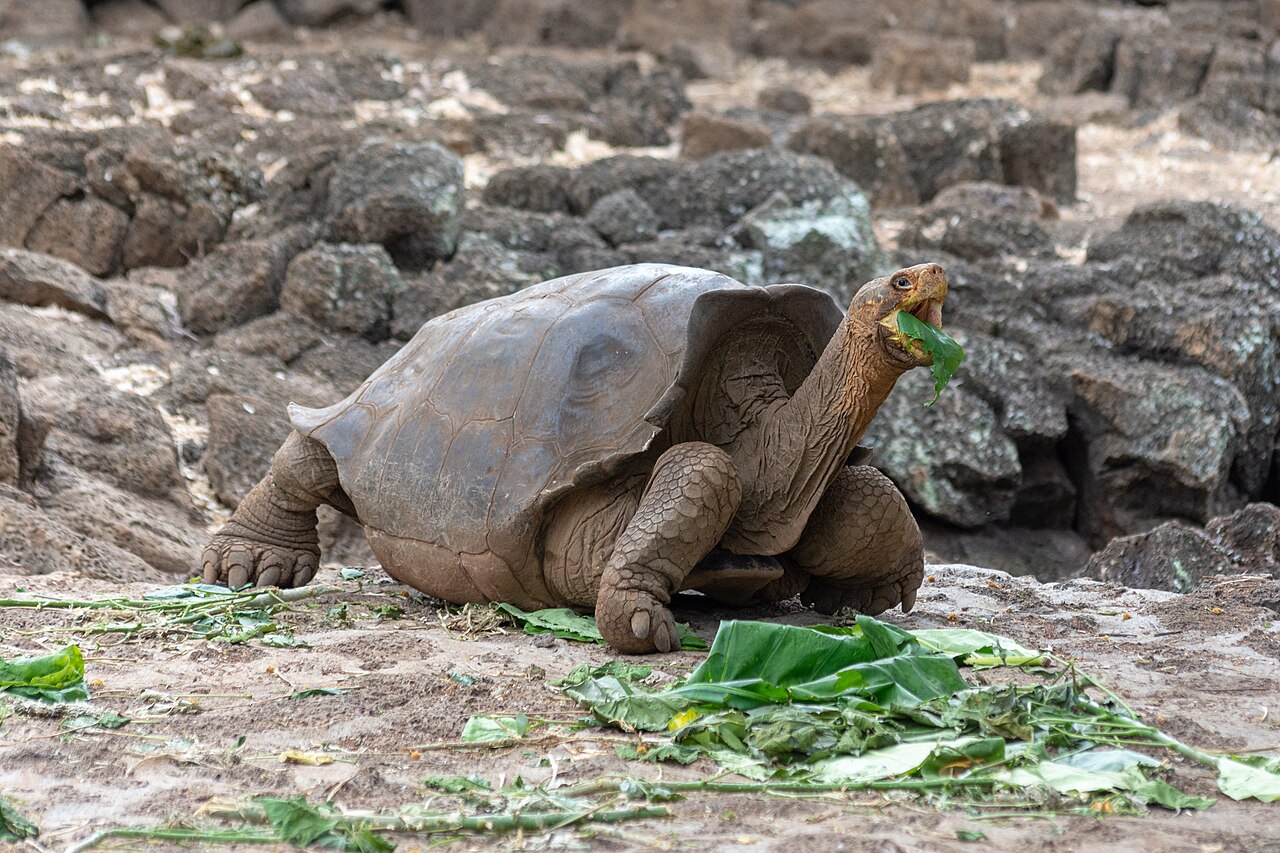
Photo by Nicolas Völcker, CC BY-SA 4.0, via Wikimedia Commons.
Best time to visit The Galápagos
Ecuador · Latin America
All twelve months scored on daily temperature, rainfall, humidity and holiday crowding.
The year in The Galápagos
Tap a month for its page
- JanJThe Galápagos in January: ok, busy
- FebFThe Galápagos in February: ok, busy
- MarMThe Galápagos in March: sweet spot
- AprAThe Galápagos in April: sweet spot
- MayMThe Galápagos in May: sweet spot
- JunJThe Galápagos in June: sweet spot
- JulJThe Galápagos in July: sweet spot
- AugAThe Galápagos in August: ok, busy
- SepSThe Galápagos in September: sweet spot
- OctOThe Galápagos in October: sweet spot
- NovNThe Galápagos in November: sweet spot
- DecDThe Galápagos in December: sweet spot
- Sweet spot
- Good
- OK
- Avoid
- Busy
Dry season: Feb, 6 or fewer rainy days a month.
Plan this trip
Each site opens on its own search: choose your dates there. A few open on their home page, where you type the place too.
Links marked Ad pay us a commission if you book, at no extra cost to you; most pay nothing, and what a site pays never decides whether it is listed or where. How we rank
Flights from
Flights
Your city is a guess from your time zone. Choose your city
Where are you flying from? Choose your city for its flights and fares.
Book with the airline
Where to stay
Book direct
Luxury
Things to do
Car hire
Rent direct
Travel insurance
Check whether your bank card or home insurance already covers this trip.
If the trip needs a visa, the travel agent or visa centre usually sells the cover it asks for.
Mobile data (eSIM)
Your own plan's EU roaming may already cover this.
Renting a pocket Wi-Fi is the other common way to stay connected.
These are sites people in book with. Each opens in a new tab, on the site's own pages.
Things to do in The Galápagos
- Floreana Island Island in Ecuador's Galapagos Archipelago
- Isabela Island The largest of the Galápagos Islands
- San Cristóbal Island Island in the Galápagos archipelago
- Santa Cruz Island Island of the Galápagos Islands
- Pinzón Island Island in the Galapagos Archipelago in Ecuador
- Rábida Island Islet in the Galapagos Archipelago, Ecuador
Tours and tickets in The Galápagos
Each site opens on its own search: choose your dates there. A few open on their home page, where you type the place too. Links marked Ad pay us a commission if you book, at no extra cost to you; most pay nothing, and what a site pays never decides whether it is listed or where. How we rank
Sights and their lines from Wikivoyage, licensed CC BY-SA 4.0, and Wikidata; in order of how often each one's Wikipedia article was read on phones in the last 12 months.
Month by month
No fare history for this route yet, so this ranking is climate and crowds only — the price column will fill in as the scanner collects.
| Month | Max °C | Rain days | Humidity | Sun h/day | Verdict | Why |
|---|---|---|---|---|---|---|
| Jan | 26° | 9d | 86% | 11.3h | okbusy | busier than usual |
| Feb | 28° | 6d | 83% | 11.2h | okbusy | busier than usual |
| Mar | 29° | 6d | 82% | 11.5h | sweet spot | 29C max, 6 rainy days |
| Apr | 28° | 7d | 85% | 11.5h | sweet spot | 28C max, 7 rainy days |
| May | 26° | 10d | 86% | 11.5h | sweet spot | 26C max, 10 rainy days |
| Jun | 25° | 12d | 86% | 11.0h | sweet spot | 25C max, 12 rainy days |
| Jul | 24° | 13d | 87% | 9.9h | sweet spot | 24C max, 13 rainy days |
| Aug | 23° | 11d | 85% | 9.7h | okbusy | busier than usual |
| Sep | 23° | 11d | 86% | 9.2h | sweet spot | 23C max, 11 rainy days |
| Oct | 23° | 11d | 85% | 9.6h | sweet spot | 23C max, 11 rainy days |
| Nov | 23° | 8d | 83% | 10.4h | sweet spot | 23C max, 8 rainy days |
| Dec | 24° | 9d | 86% | 10.8h | sweet spot | 24C max, 9 rainy days |
Rain days are the days with at least 1 mm of rain, as a weather station counts them.
Weather read at Puerto Ayora, on Santa Cruz, 33 km from the airport (GPS): ten years of ERA5 and ERA5-Land reanalysis, through Open-Meteo's open data.
A busy month is a crowded one, not a bad one — usually it is crowded because the weather is good. It is flagged rather than scored down, and crowds alone never make a month “avoid”: that is reserved for weather worth skipping.
How busy it gets
Then and now
No month in The Galápagos is clearly warmer than in 1981–1990: the differences are inside the ordinary spread between one year and the next.
| Jan | Feb | Mar | Apr | May | Jun | Jul | Aug | Sep | Oct | Nov | Dec | |
|---|---|---|---|---|---|---|---|---|---|---|---|---|
| 1981–90 | 28.5° | 29.2° | 29.8° | 29.5° | 28.7° | 27.6° | 26.7° | 26.3° | 26.4° | 26.9° | 27.3° | 28.0° |
| 2017–26 | 26.0° | 27.8° | 28.5° | 27.6° | 26.1° | 24.5° | 23.6° | 22.9° | 22.6° | 22.6° | 23.2° | 24.3° |
| Change | -2.6° | -1.3° | -1.2° | -1.9° | -2.6° | -3.1° | -3.1° | -3.4° | -3.8° | -4.3° | -4.1° | -3.7° |
The average daily high, month by month, for the nearest ERA5 grid cell. Bold is a clear change; grey is within the ordinary spread between years. Every destination, ranked.
Getting there
How far The Galápagos is, and what it costs, depends on where you set off from — the months above do not.
- from Bogota
- from Lima
- from Mexico City
- from Miami
- from Santiago
- from Chicago
- from Los Angeles
- from New York
Open in Rome2rio for every way from to The Galápagos, flying or not.
Before you go
| Cost of living | cheap — prices run about 43% of the United States' (World Bank, 2025) |
|---|---|
| Currency | United states dollar |
| Languages | Spanish, Northern Quichua, Shuar |
| Plugs | Type A and B, 120 V |
| Driving | On the right |
| Calling code | +593 |
| Travel advice | avoid all but essential travel to parts — UK Foreign Office, updated 2026-10-02 Exercise a high degree of caution (with regional advisories) — Global Affairs Canada, updated 2026-10-06 Level 2: Exercise Increased Caution — US State Department, updated 2026-08-18 |
| Health | UK Foreign Office health advice |
Facts from Wikidata (CC0), the UK Foreign Office (Open Government Licence) and the World Bank, refreshed 2026-10-07. The advisory is written for British travellers; entry rules depend on your passport.Travel advice for American readers is the US State Department's (public domain), and for Canadian readers Global Affairs Canada's (Open Government Licence - Canada), each in its own words and written for its own citizens; entry rules depend on your passport.
Being there
On arrival
- Paying — Ecuador uses the US dollar, with its own coins alongside American ones. Bring $1 and $5 notes, as $50 and $100 bills are often refused; cards are taken mainly where tourists go, often with a commission, and you may be asked for your passport.
- UPI, for visitors from India — Not accepted for paying here; bring a card that works abroad.
- Tipping — Not required, as bars, restaurants and hotels add a 10% service charge; in restaurants, leaving some spare change for good service is customary.
Getting around The Galápagos
From Baltra airport, buy a ticket for the Lobito bus to the Itabaca Channel (about $5), cross on the barge ($1), then take a bus (about $2.50) or a white pick-up taxi (about $25 a car) to Puerto Ayora, 45 minutes to an hour. Small passenger boats leave the main pier every day for San Cristóbal and Isabela, taking 2 to 3 hours; buy tickets at the agencies near the pier.
- Apps — Rides: DiDi, Uber. Maps: Google Maps, Apple Maps. DiDi and Uber work in Quito and Guayaquil, the only cities with flights to the islands; on Santa Cruz, taxis are white pick-up trucks.
Seeing the sites and wildlife of the Galapagos is best done by boat, just as Charles Darwin did it in 1835. Over 60 cruise ships ply the Galapagos waters - ranging in size from 8 to 100 passengers. More on Wikivoyage
From the Wikivoyage article on Galapagos Islands, written by travellers and licensed CC BY-SA 4.0.
Help
- Emergency — 911 (any emergency).
TravelCharika is not an emergency service: we cannot call for help or send anyone. Numbers can change; if one fails, ask someone local or your hotel.
- Hospitals near The Galápagosa search on Google Maps
- Pharmacies near The Galápagosa search on Google Maps
Your embassy — : how to reach your embassy or consulate abroad. A guess from your city, : a city is not a passport.
Put together by hand from the sources listed, checked 7 October 2026. Apps, cards and rules change, so check before you rely on one.
Sources (16)
- gov.uk/foreign-travel-advice/ecuador/getting-help
- web.didiglobal.com/ec/conductor/ciudades
- uber.com/global/en/cities/quito
- uber.com/global/en/cities/guayaquil
- en.wikivoyage.org/wiki/Quito
- en.wikivoyage.org/wiki/Guayaquil
- en.wikivoyage.org/wiki/Ecuador
- ecogal.aero/en/transportation
- galapagos.gob.ec/informacion-de-interes-para-la-llegada-a-las-islas
- galapagos.gob.ec/la-forma-mas-comun-de-acceso-es-via-aerea
- galapagos.gob.ec/transporte-entre-islas-pobladas
- en.wikivoyage.org/wiki/Puerto_Ayora
- developers.google.com/maps/coverage
- apple.com/ios/feature-availability
- pib.gov.in/PressReleasePage.aspx?PRID=2286608
- rbidocs.rbi.org.in/rdocs/AnnualReport/PDFs/09PAYMENT290526C6588B796E664822A2BD0DEB6452CAD4.PDF
The Galápagos in pictures
i
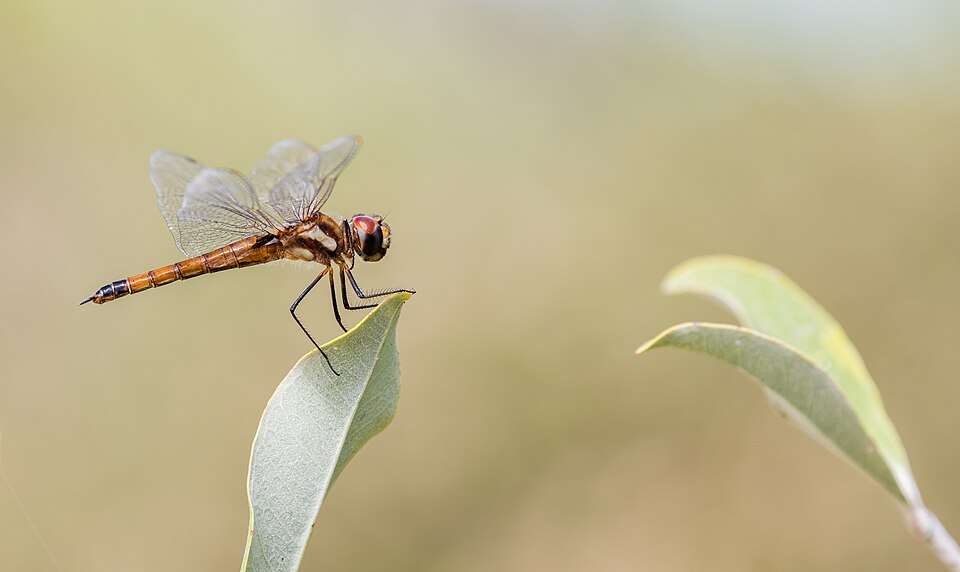
Diego Delso, CC BY-SA 4.0, via Wikimedia Commons
i
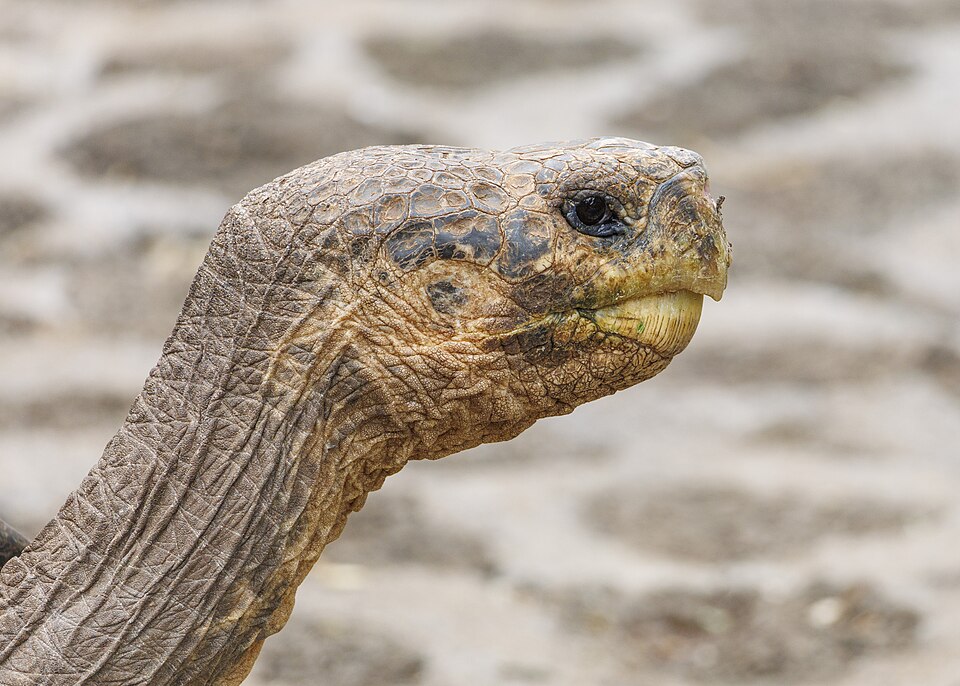
E bailey, CC BY-SA 4.0, via Wikimedia Commons
i
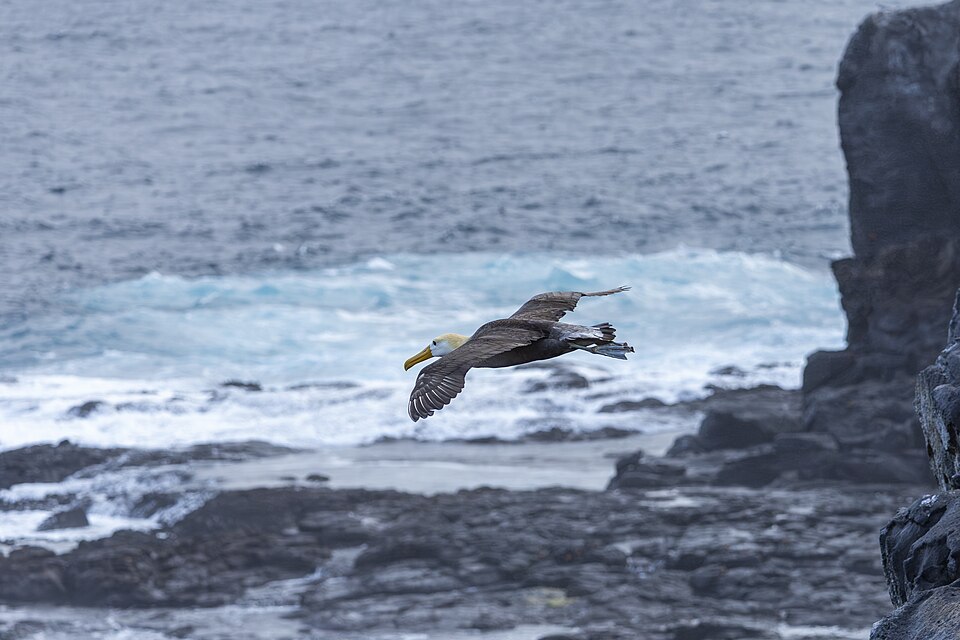
E bailey, CC BY-SA 4.0, via Wikimedia Commons
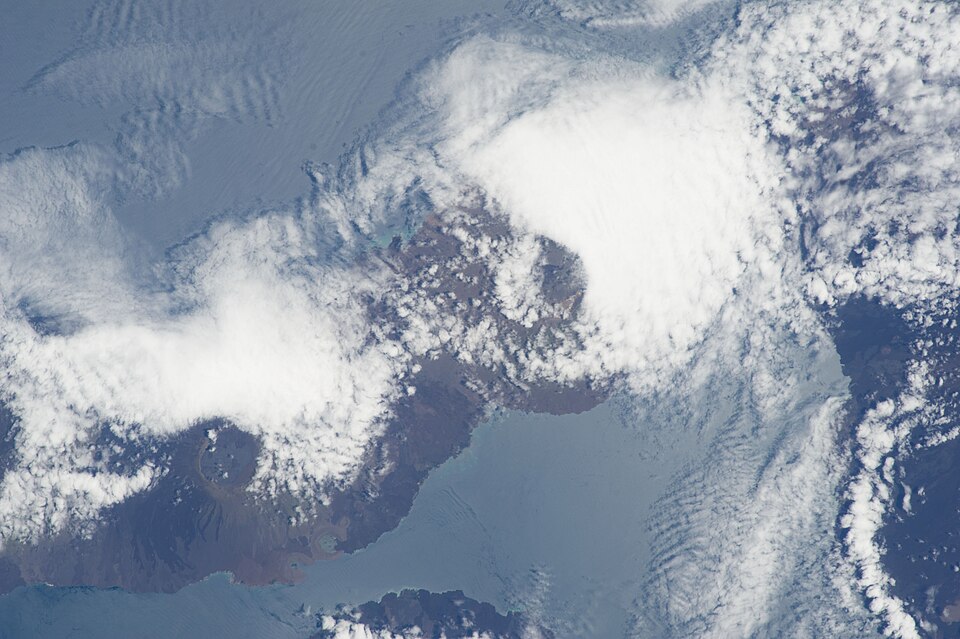
i
Earth Science and Remote Sensing Unit, Lyndon B, Public domain, via Wikimedia Commons
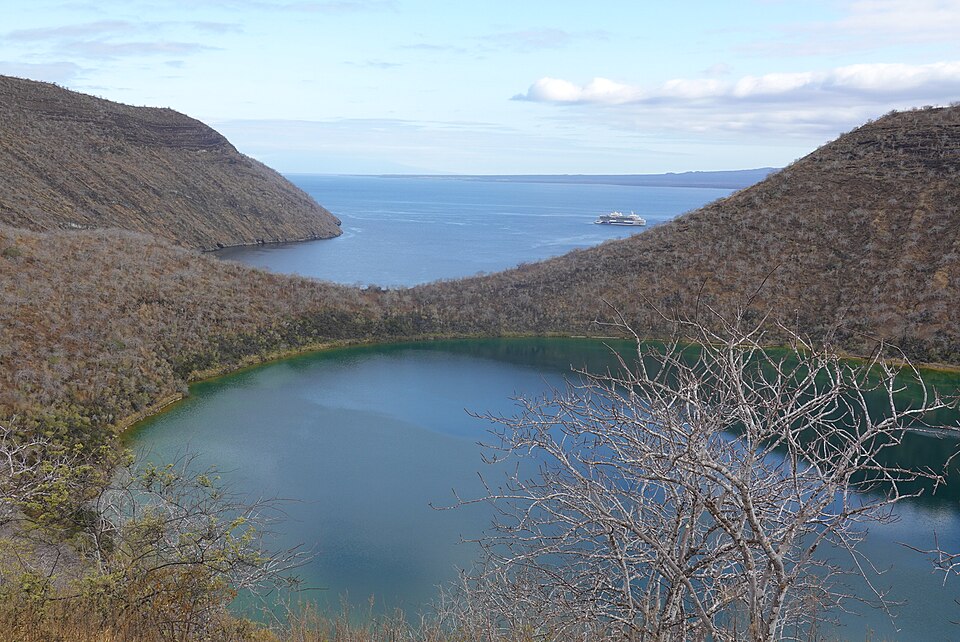
i
MasterfulNerd, CC BY-SA 4.0, via Wikimedia Commons
What The Galápagos is like
The Galapagos Islands are a small archipelago of islands belonging to Ecuador in the eastern Pacific Ocean. The islands are quite remote and isolated, lying some 1000 km (620 miles) west of the South American continent, and the archipelago is bisected by the equator. More on Wikivoyage
- Worth seeing
- At many national park locations and all uninhabited islands, the number of visitors are limited, and there are only a few official landing and visitor sites. More on Wikivoyage
- Worth doing
- Cruises are the only option to see the majority of remote islands. All cruise ships are required to have a certified naturalist guide. More on Wikivoyage
- Getting in
- Visiting the Galapagos is not cheap, owing to travel restrictions and the remote nature of the archipelago. The only way to get in the islands from the mainland by plane is from Guayaquil or Quito airports. More on Wikivoyage
- Staying safe
- In general, crime is not a problem in the Galapagos. More on Wikivoyage
From the Wikivoyage article on Galapagos Islands, written by travellers and licensed CC BY-SA 4.0; the full article has far more. The numbers above are measured; this is experience.
Around The Galápagos
Nearby
- Bogota Colombia · 1,896 km
- Lima Peru · 1,922 km
- Machu Picchu Peru · 2,396 km
- The Cayman Islands Cayman Islands · 2,437 km
Kind of place
The Galápagos is in Ecuador, Latin America. Distances are great-circle, so a short one can still be a long way round.
Check your inbox. A confirmation is on its way: open the link in it, press Confirm, and you are subscribed.
That did not go through. Check the address, or try again in a minute.
Already sent. A confirmation went to that address in the last day: look for it, spam folder included. Its link works for three days.
You are not on the list until you confirm from your inbox. The list lives with our email provider, Resend; the privacy page says the rest.
Links marked Ad pay us a commission if you book through one, at no extra cost to you. That does not affect the scores on this page, which are computed from climate and fare data before any link is built.