

i
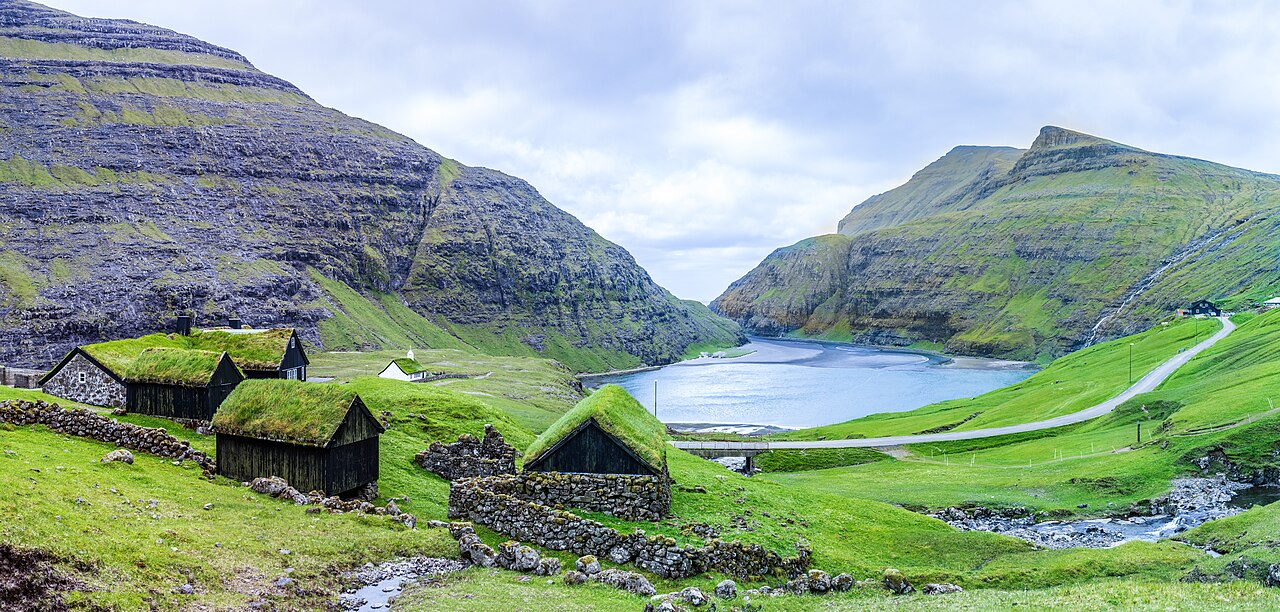
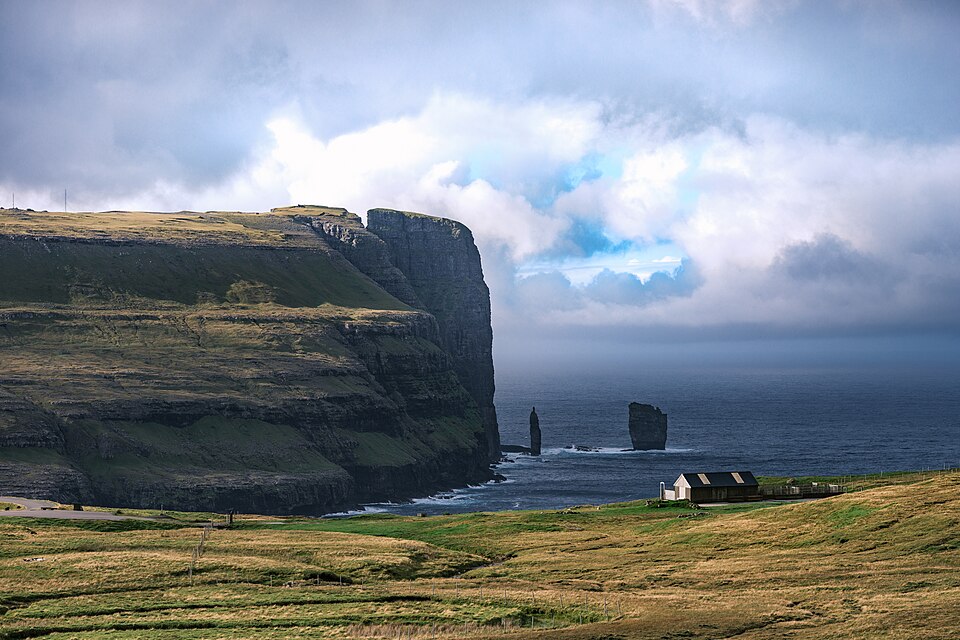
Photo by MiroRosa, CC BY-SA 4.0, via Wikimedia Commons.
Best time to visit The Faroe Islands
Faroe Islands · Europe
All twelve months scored on daily temperature, rainfall, humidity and holiday crowding.
The year in The Faroe Islands
Tap a month for its page
- JanJThe Faroe Islands in January: avoid
- FebFThe Faroe Islands in February: avoid
- MarMThe Faroe Islands in March: avoid
- AprAThe Faroe Islands in April: sweet spot
- MayMThe Faroe Islands in May: sweet spot
- JunJThe Faroe Islands in June: sweet spot, busy
- JulJThe Faroe Islands in July: sweet spot, busy
- AugAThe Faroe Islands in August: sweet spot, busy
- SepSThe Faroe Islands in September: ok
- OctOThe Faroe Islands in October: avoid
- NovNThe Faroe Islands in November: avoid
- DecDThe Faroe Islands in December: avoid
- Sweet spot
- Good
- OK
- Avoid
- Busy
Plan this trip
Each site opens on its own search: choose your dates there. A few open on their home page, where you type the place too.
Links marked Ad pay us a commission if you book, at no extra cost to you; most pay nothing, and what a site pays never decides whether it is listed or where. How we rank
Flights from
Flights
Your city is a guess from your time zone. Choose your city
Where are you flying from? Choose your city for its flights and fares.
Book with the airline
Where to stay
Book direct
Luxury
Things to do
Car hire
Rent direct
Travel insurance
Check whether your bank card or home insurance already covers this trip.
If the trip needs a visa, the travel agent or visa centre usually sells the cover it asks for.
Mobile data (eSIM)
Your own plan's EU roaming may already cover this.
Renting a pocket Wi-Fi is the other common way to stay connected.
These are sites people in book with. Each opens in a new tab, on the site's own pages.
Things to do in The Faroe Islands
- Vágar Island in the Faroe Islands
- Suðuroy Island
- Slættaratindur Mountain
- Eysturoy Island
- Tórshavn Cathedral Church
- Magnus Cathedral Ruined cathedral on the Faroe islands
- Bøsdalafossur Waterfall
Tours and tickets in The Faroe Islands
Each site opens on its own search: choose your dates there. A few open on their home page, where you type the place too. Links marked Ad pay us a commission if you book, at no extra cost to you; most pay nothing, and what a site pays never decides whether it is listed or where. How we rank
Sights and their lines from Wikivoyage, licensed CC BY-SA 4.0, and Wikidata; in order of how often each one's Wikipedia article was read on phones in the last 12 months.
Month by month
No fare history for this route yet, so this ranking is climate and crowds only — the price column will fill in as the scanner collects.
| Month | Max °C | Rain days | Humidity | Sun h/day | Verdict | Why |
|---|---|---|---|---|---|---|
| Jan | 5° | 17d | 84% | 1.6h | avoid | bitter cold: 5C daily max |
| Feb | 5° | 17d | 84% | 3.5h | avoid | bitter cold: 5C daily max |
| Mar | 6° | 18d | 82% | 5.2h | avoid | bitter cold: 6C daily max |
| Apr | 7° | 12d | 82% | 7.1h | sweet spot | 7C max, 12 rainy days |
| May | 9° | 13d | 84% | 8.0h | sweet spot | 9C max, 13 rainy days |
| Jun | 12° | 15d | 88% | 8.3h | sweet spot busy | busier than usual |
| Jul | 13° | 16d | 90% | 7.4h | sweet spot busy | busier than usual |
| Aug | 13° | 15d | 90% | 7.0h | sweet spot busy | busier than usual |
| Sep | 11° | 17d | 89% | 5.6h | ok | 11C max, 17 rainy days |
| Oct | 9° | 19d | 87% | 3.3h | avoid | monsoon: 19 rainy days, 188mm |
| Nov | 7° | 16d | 85% | 1.9h | avoid | 7C max, 16 rainy days |
| Dec | 5° | 17d | 86% | 0.9h | avoid | monsoon: 17 rainy days, 184mm |
Rain days are the days with at least 1 mm of rain, as a weather station counts them.
Weather read at Tórshavn, 27 km from the airport (FAE): ten years of ERA5 and ERA5-Land reanalysis, through Open-Meteo's open data.
A busy month is a crowded one, not a bad one — usually it is crowded because the weather is good. It is flagged rather than scored down, and crowds alone never make a month “avoid”: that is reserved for weather worth skipping.
How busy it gets
Then and now
The Faroe Islands's June days now average 11.7°C, 1.7°C warmer than in 1981–1990. 6 of 12 months are clearly warmer.
| Jan | Feb | Mar | Apr | May | Jun | Jul | Aug | Sep | Oct | Nov | Dec | |
|---|---|---|---|---|---|---|---|---|---|---|---|---|
| 1981–90 | 4.7° | 5.1° | 5.0° | 6.2° | 8.3° | 10.0° | 11.6° | 11.6° | 9.9° | 8.4° | 6.4° | 5.5° |
| 2017–26 | 4.8° | 5.2° | 5.7° | 7.2° | 9.5° | 11.7° | 13.2° | 12.8° | 11.4° | 8.8° | 6.6° | 5.3° |
| Change | +0.1° | +0.1° | +0.7° | +1.0° | +1.2° | +1.7° | +1.6° | +1.2° | +1.5° | +0.4° | +0.1° | -0.2° |
The average daily high, month by month, for the nearest ERA5 grid cell. Bold is a clear change; grey is within the ordinary spread between years. Every destination, ranked.
Getting there
How far The Faroe Islands is, and what it costs, depends on where you set off from — the months above do not.
- from Dublin
- from London
- from Amsterdam
- from Copenhagen
- from Stockholm
- from Brussels
- from Paris
- from Frankfurt
Open in Rome2rio for every way from to The Faroe Islands, flying or not.
Before you go
| Cost of living | expensive — prices run about 94% of the United States' (World Bank, 2025) |
|---|---|
| Currency | Faroese króna |
| Languages | Faroese, Danish |
| Plugs | Type C and E and F and K, 230 V |
| Driving | On the right |
| Calling code | +298 |
| Travel advice | No advice against travel — UK Foreign Office, updated 2026-08-11 |
| Health | UK Foreign Office health advice |
Facts from Wikidata (CC0), the UK Foreign Office (Open Government Licence) and the World Bank, refreshed 2026-10-07. The advisory is written for British travellers; entry rules depend on your passport.
Being there
On arrival
- Paying — Cards, above all Visa, are taken almost everywhere, even in taxis and on the remote islands, but American Express mostly is not. Most banks no longer change money, so use an ATM if you need cash.
- UPI, for visitors from India — Not accepted for paying here; bring a card that works abroad.
- Tipping — Not expected, as service is always included in prices; tip only for outstanding service if you wish.
Getting around The Faroe Islands
Tórshavn's red city buses are free. The blue buses and ferries between towns and islands are run by Strandfaraskip Landsins (SSL); a four-day travel card (DKK 500) covers them all except the Mykines ferry.
- Apps — Maps: Google Maps. Messages: Messenger.
The Faroe Islands are a small country and getting around is easy. All of the Islands are connected by public transport. More on Wikivoyage
From the Wikivoyage article on Faroe Islands, written by travellers and licensed CC BY-SA 4.0.
Ferries from The Faroe Islands
- Tórshavn - Seyðisfjörður · about 16h 30m
- Gamlarætt → Hestur
- Hvannasund → Hattarvík
- Klaksvík → Kalsoy
- Sandur → Skúvoy
- Suðuroy → Tórshavn
- Sørvágur → Mykines
- Tórshavn → Nólsoy
Crossings within 60 km, as mapped by OpenStreetMap contributors (ODbL). Times are typical where the map records them.
Help
- Emergency — 112 (any emergency).
TravelCharika is not an emergency service: we cannot call for help or send anyone. Numbers can change; if one fails, ask someone local or your hotel.
- Hospitals near The Faroe Islandsa search on Google Maps
- Pharmacies near The Faroe Islandsa search on Google Maps
Your embassy — : how to reach your embassy or consulate abroad. A guess from your city, : a city is not a passport.
Put together by hand from the sources listed, checked 7 October 2026. Apps, cards and rules change, so check before you rely on one.
Sources (14)
- gov.uk/foreign-travel-advice/denmark/getting-help
- visitfaroeislands.com/en/plan-your-stay/staying-safe/health-safety
- visittorshavn.fo/fo/soleidis-kemur-tu-runt
- visittorshavn.fo/place/transport-information-torshavn
- visittorshavn.fo/practical-information
- visitfaroeislands.com/en/plan-your-stay/getting-around/public-transportation0
- visitfaroeislands.com/en/plan-your-stay/get-ready-for-your-trip/general-facts/money
- visitfaroeislands.com/en/see-do/cultural-experiences/eat-and-drink/dining-in-the-faroe-islands
- datareportal.com/reports/digital-2026-faroe-islands
- en.wikivoyage.org/wiki/T%C3%B3rshavn
- en.wikivoyage.org/wiki/Faroe_Islands
- developers.google.com/maps/coverage
- pib.gov.in/PressReleasePage.aspx?PRID=2286608
- rbidocs.rbi.org.in/rdocs/AnnualReport/PDFs/09PAYMENT290526C6588B796E664822A2BD0DEB6452CAD4.PDF
The Faroe Islands in pictures
i
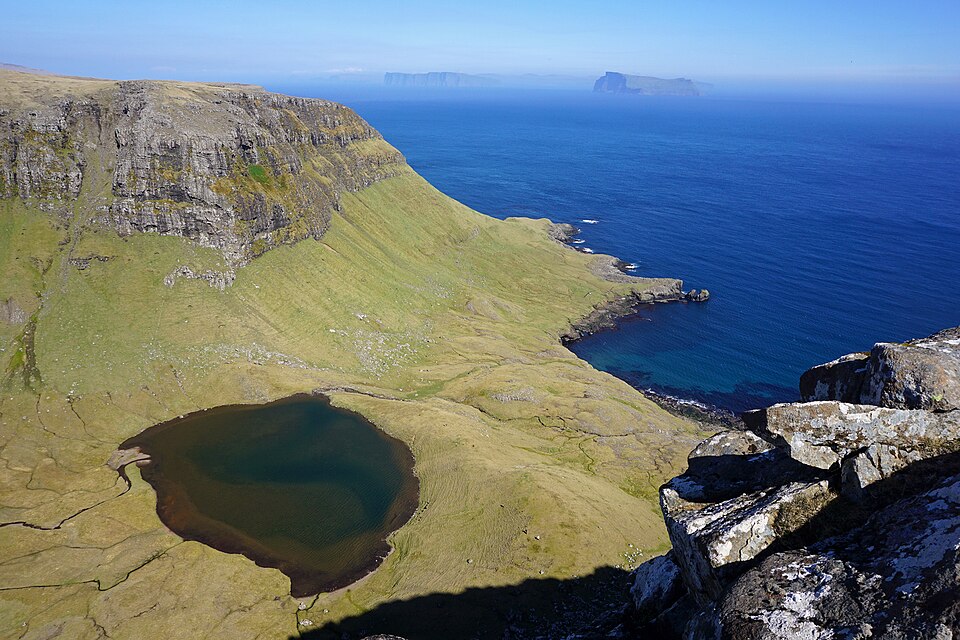
kallerna, CC BY-SA 4.0, via Wikimedia Commons
i
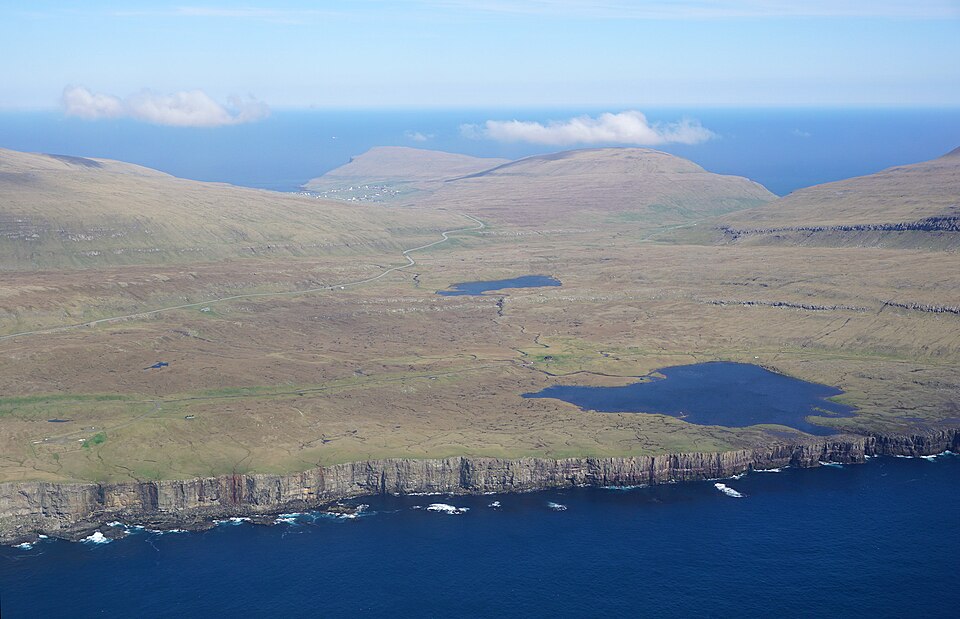
kallerna, CC BY-SA 4.0, via Wikimedia Commons
i
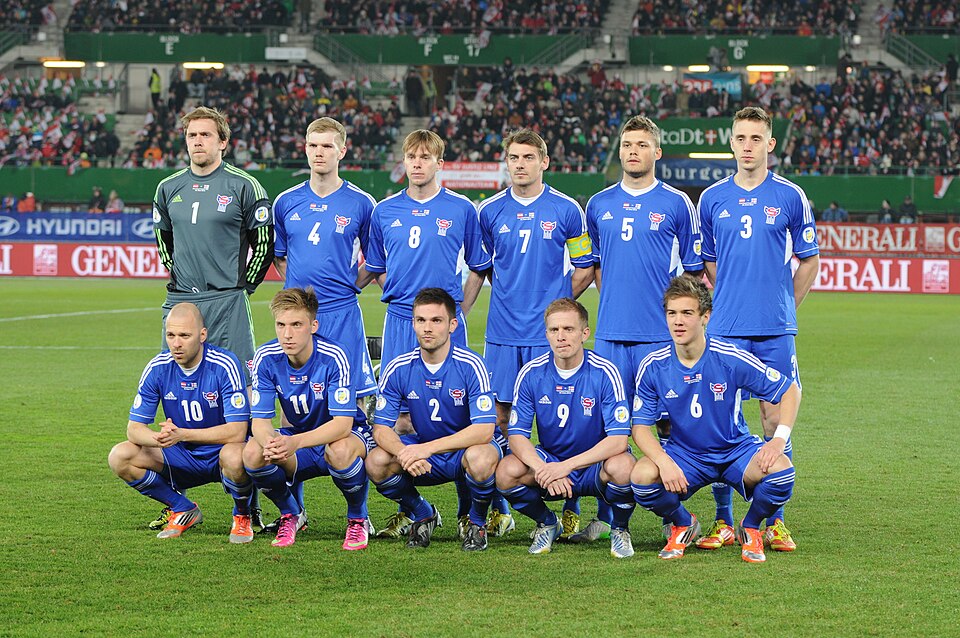
Michael Kranewitter, CC BY-SA 3.0, via Wikimedia Commons

i
Michael Kranewitter, CC BY-SA 3.0 at, via Wikimedia Commons
i
Sanshiro KUBOTA from London, UK, CC BY 2.0, via Wikimedia Commons
What The Faroe Islands is like
The Faroe or Faeroe Islands (Faroese: Føroyar; Danish: Færøerne) are an archipelago of 18 islands in the middle of the North Atlantic Ocean, with roughly 54,000 inhabitants (2022). Like Greenland, the Faroe Islands are an autonomous territory of Denmark. More on Wikivoyage
- Worth seeing
- Slættaratindur on Eysturoy: at 880 m, is the highest mountain in the Faroe Islands. It is well worth climbing. More on Wikivoyage
- Worth doing
- Sea kayaking. Kayaks are widely available for rent. Birdwatching. Football: the Faeroe Islands national team plays at Tórsvøllur in Tórshavn. More on Wikivoyage
- Getting in
- Although part of the Kingdom of Denmark, the Faroe Islands are not part of the European Union or the Schengen Area. More on Wikivoyage
- Staying safe
- The Faroe Islands are generally safe. Crime and traffic are minor risks. More on Wikivoyage
- Staying healthy
- There are emergency services at the hospital in Tórshavn, Klaksvík on Borðoy and Tvøroyri on Suðuroy. Doctors around the islands provide emergency assistance. More on Wikivoyage
From the Wikivoyage article on Faroe Islands, written by travellers and licensed CC BY-SA 4.0; the full article has far more. The numbers above are measured; this is experience.
Around The Faroe Islands
Nearby
- Reykjavik Iceland · 797 km
- Dublin Ireland · 955 km
- London United Kingdom · 1,235 km
- Amsterdam Netherlands · 1,279 km
Kind of place
The Faroe Islands is in Faroe Islands, Europe. Distances are great-circle, so a short one can still be a long way round.
Check your inbox. A confirmation is on its way: open the link in it, press Confirm, and you are subscribed.
That did not go through. Check the address, or try again in a minute.
Already sent. A confirmation went to that address in the last day: look for it, spam folder included. Its link works for three days.
You are not on the list until you confirm from your inbox. The list lives with our email provider, Resend; the privacy page says the rest.
Links marked Ad pay us a commission if you book through one, at no extra cost to you. That does not affect the scores on this page, which are computed from climate and fare data before any link is built.