

Northern lights in March
Where the nights are long and dark under the auroral oval, month by month. In March, 17 places are good and 0 fair.
Everywhere
- Reykjavik Iceland good 31 of 31 nights dark for 6 h or more; 9 h of darkness a night on average · 3°C by day
- The Faroe Islands Faroe Islands good 31 of 31 nights dark for 6 h or more; 9 h of darkness a night on average · 6°C by day
- Anchorage United States good 31 of 31 nights dark for 6 h or more; 9 h of darkness a night on average · 0°C by day
- Tromsø Norway good 25 of 31 nights dark for 6 h or more; 8 h of darkness a night on average · 0°C by day
- Rovaniemi Finland good 31 of 31 nights dark for 6 h or more; 8 h of darkness a night on average · -1°C by day
- Juneau United States good 31 of 31 nights dark for 6 h or more; 9 h of darkness a night on average · 2°C by day
- Trondheim Norway good 31 of 31 nights dark for 6 h or more; 9 h of darkness a night on average · 5°C by day
- Whitehorse Canada good 31 of 31 nights dark for 6 h or more; 9 h of darkness a night on average · -2°C by day
- Fairbanks United States good 31 of 31 nights dark for 6 h or more; 8 h of darkness a night on average · -5°C by day
- Inuvik Canada good 27 of 31 nights dark for 6 h or more; 8 h of darkness a night on average · -15°C by day
- Oulu Finland good 31 of 31 nights dark for 6 h or more; 8 h of darkness a night on average · 0°C by day
- Lofoten Norway good 28 of 31 nights dark for 6 h or more; 8 h of darkness a night on average · 1°C by day
- Ålesund Norway good 31 of 31 nights dark for 6 h or more; 9 h of darkness a night on average · 6°C by day
- Dawson City Canada good 31 of 31 nights dark for 6 h or more; 9 h of darkness a night on average · -6°C by day
- Inari Finland good 26 of 31 nights dark for 6 h or more; 8 h of darkness a night on average · -3°C by day
- Kiruna Sweden good 28 of 31 nights dark for 6 h or more; 8 h of darkness a night on average · -3°C by day
- Kangerlussuaq Greenland good 30 of 31 nights dark for 6 h or more; 8 h of darkness a night on average · -11°C by day
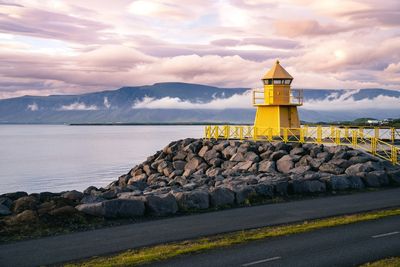
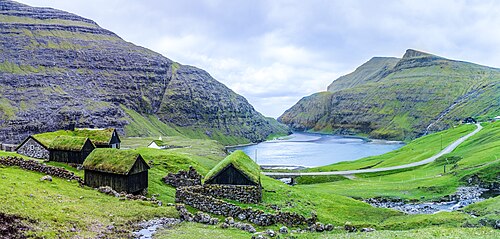
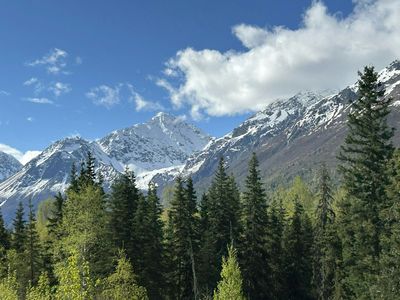
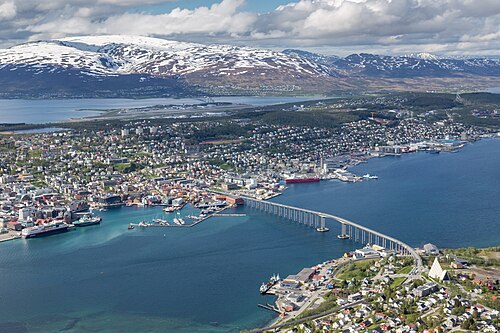
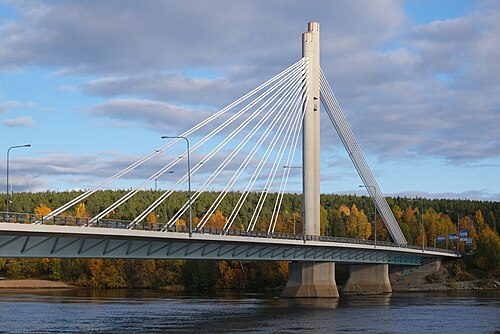
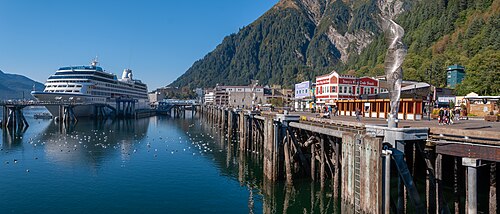
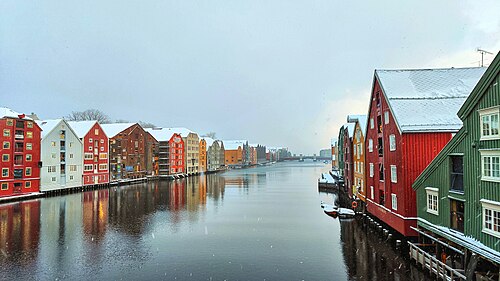
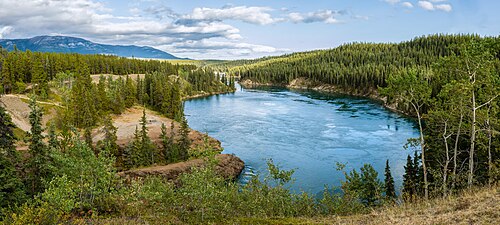
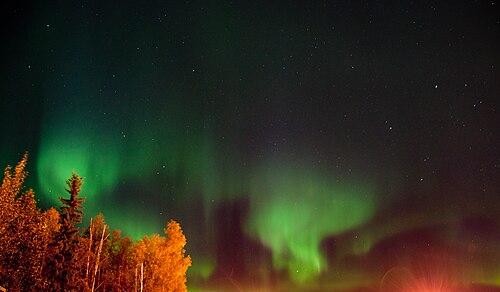
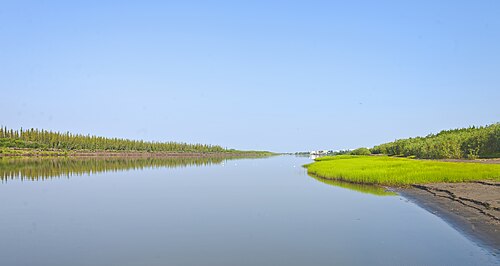

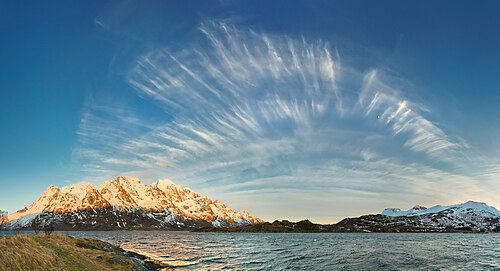
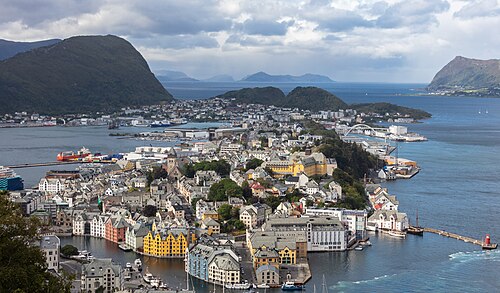
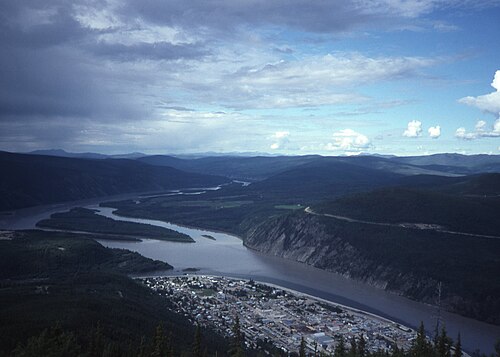
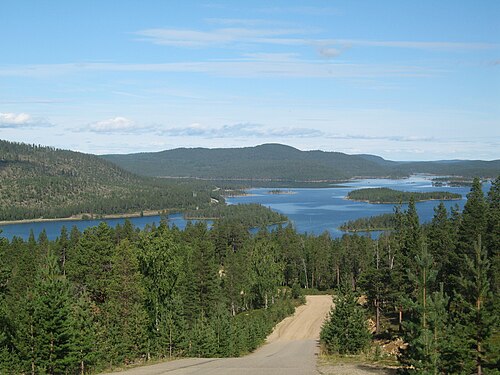
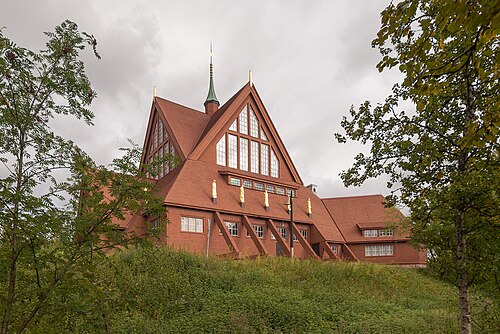
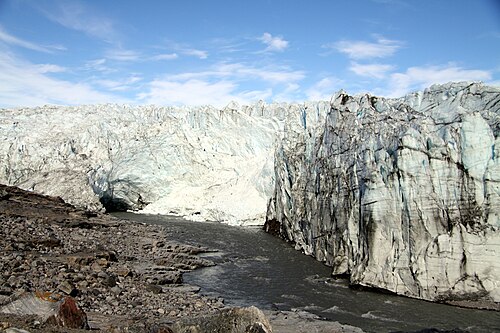
Photo credits
The Faroe Islands by MiroRosa, CC BY-SA 4.0, via Wikimedia CommonsTromsø by JoachimKohlerBremen, CC BY-SA 4.0, via Wikimedia CommonsRovaniemi by kallerna, CC BY-SA 4.0, via Wikimedia CommonsJuneau by Gordon Leggett, CC BY 4.0, via Wikimedia CommonsTrondheim by Socket0, CC BY 4.0, via Wikimedia CommonsWhitehorse by Diego Delso, CC BY-SA 4.0, via Wikimedia CommonsFairbanks by Deepti Hari, CC BY 2.0, via Wikimedia CommonsInuvik by Daniel Case, CC BY-SA 3.0, via Wikimedia CommonsLofoten by Ximonic (Simo Räsänen), CC BY-SA 3.0, via Wikimedia CommonsÅlesund by Diego Delso, CC BY-SA 4.0, via Wikimedia CommonsDawson City by Smiley.toerist, CC BY-SA 4.0, via Wikimedia CommonsInari by Karlis Strazdins, Public domain, via Wikimedia CommonsKiruna by Arild Vågen, CC BY-SA 4.0, via Wikimedia CommonsKangerlussuaq by Chmee2/Valtameri, CC BY 3.0, via Wikimedia Commons.
How a month is tested for northern lights
- A place is under the auroral oval on an ordinary night where its geomagnetic latitude is 60° or more. NOAA's Space Weather Prediction Center puts the oval's edge near 66° on the quietest nights (Kp 0), 2° nearer the equator for each step of Kp, the index of magnetic activity from 0 to 9: 60° at Kp 3.
- A dark night has 6 hours or more with the sun 12° or more below the horizon, past nautical twilight.
- A month is good where 2 nights in 3 are dark, and fair where 1 in 2 are.
- Cloud is not counted, and a cloudy night hides the lights: the months say when the sky is dark enough over a place under the oval, not whether the lights will show. That is a forecast's, on the night.
- Geomagnetic latitude along the real field, AACGM-v2 (Shepherd 2014) on the International Geomagnetic Reference Field (IGRF-14, 2025.0; IAGA), at the aurora's height; darkness from the sun's position by NOAA's solar equations, after Meeus; the oval's reach from NOAA's Space Weather Prediction Center.
A test on figures computed from where each place is, the same at every place and from every city: the same month always gives the same answer. It is "good" or "fair", and a month that passes neither is simply not listed. It is separate from the month's own verdict, which also weighs holidays and crowds. The sun keeps the same dates to within a night from year to year.
Northern lights, other months
- January 18 good
- February 18 good
- March
- April 0 good
- May 0 good
- June 0 good
- July 0 good
- August 0 good
- September 12 good
- October 18 good
- November 18 good
- December 18 good
- Every month, side by side
← February · Everywhere in March
When to look: NOAA's Space Weather Prediction Center says the lights are usually best within an hour or two of midnight, around the spring and autumn equinoxes, away from city lights, and that a full moon dims them. Whether the sky is clear, and whether the lights show, is for the forecasts on the night.